31 Small Space Organization Mistakes That Make Your Home Feel Smaller
Introduction
The comforting truth about a cramped small home: it is almost never the square footage. It is a handful of ordinary mistakes — a bin bought too early, a sofa pushed to the wrong wall, a closet holding two seasons at once — quietly shrinking every room.
The good news: every mistake here has a fix, and most fixes are free. Work through all 31 — storage, furniture, surfaces, closets and kitchens, and the habits behind them — and the home you already have becomes the bigger one you keep shopping for.
Storage Mistakes That Waste the Space You Have
1. Buying Storage Before You Declutter
The classic first mistake: buying bins for things you have not yet decided to keep. Storage bought for clutter just organises the clutter — neatly, expensively, permanently. Declutter first, measure what survived, then buy for that. Our 30-Day Declutter Challenge for Small Homes runs the whole edit on one rule: no storage bought until Day 30.
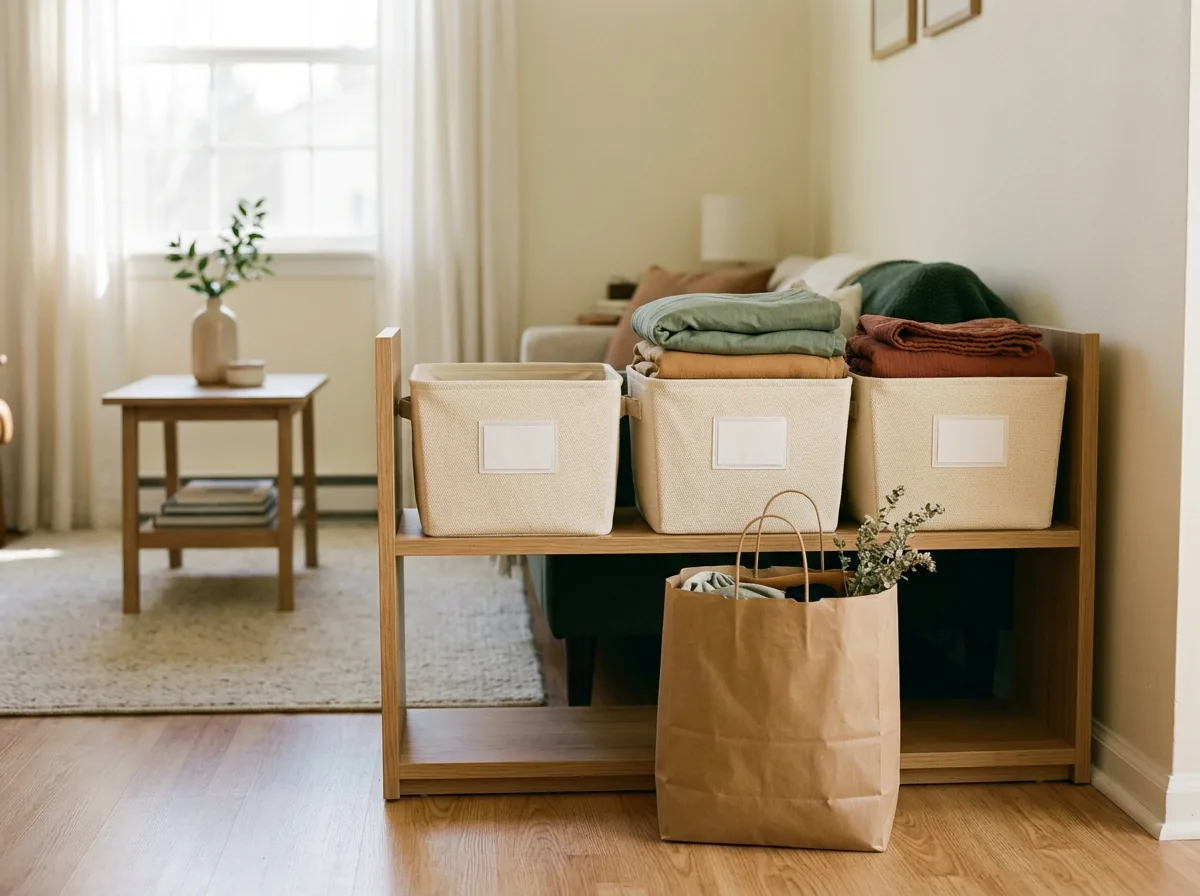
2. Buying One Matching Container Set for Every Space
A matching set looks tidy in the shop and awkward at home, because real spaces are all different sizes. One bin size leaves dead gaps in deep cupboards and overflows in shallow ones. Mix sizes to fit each space instead — full, labelled containers keep shelves calm.

3. Using Clear Bins Everywhere
See-through storage shows you everything — including forty objects shouting through the plastic. A wall of clear bins can look more cluttered than the shelves it replaced. Use opaque bins and baskets where the eye rests (open shelves, closet tops); save clear containers for cupboards and the pantry, where seeing contents is the point.
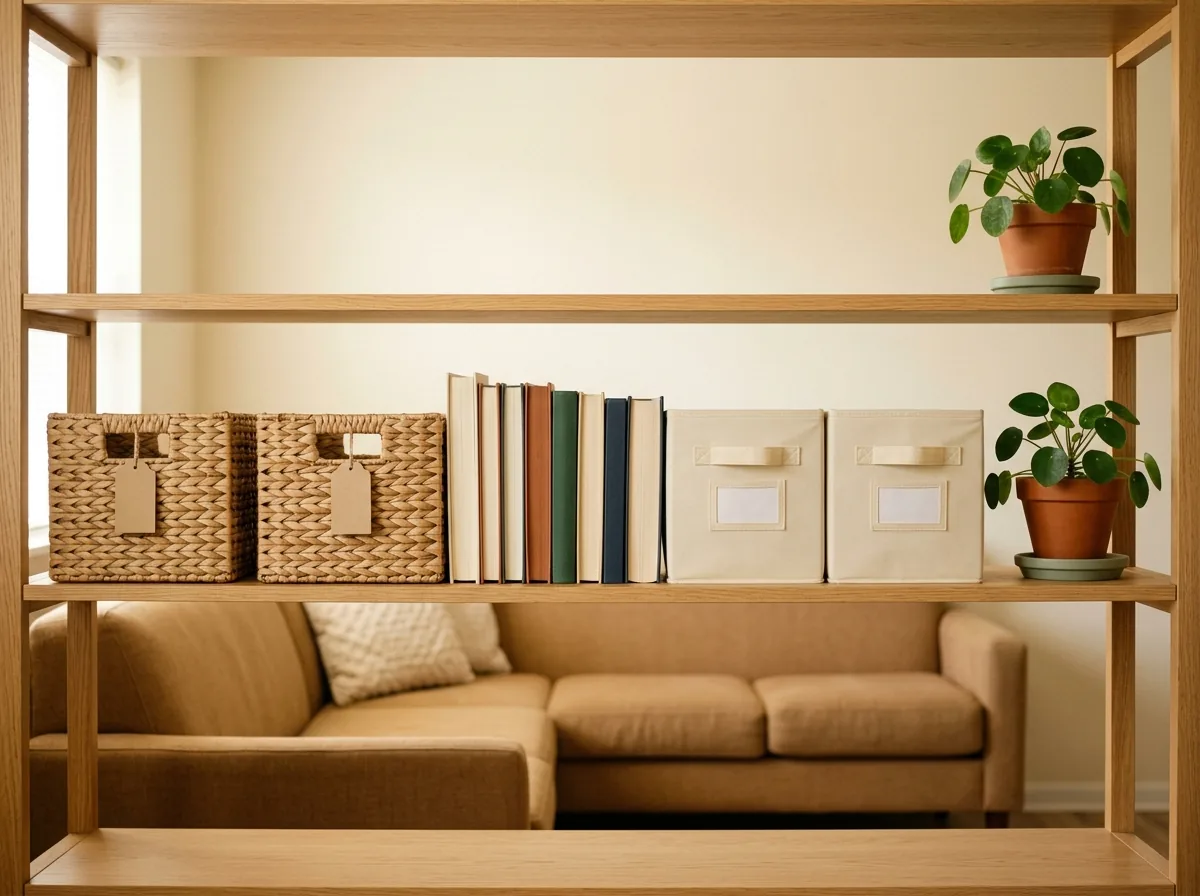
4. Choosing Storage Furniture That’s Too Big
An oversized storage unit can “solve” storage while eating the room: the giant wardrobe, the deep bookcase, the ottoman the size of a bathtub. Every inch of depth it takes is floor and air the room loses. Choose the shallowest, slimmest piece — storage should hug walls and slip into gaps, not anchor the room.
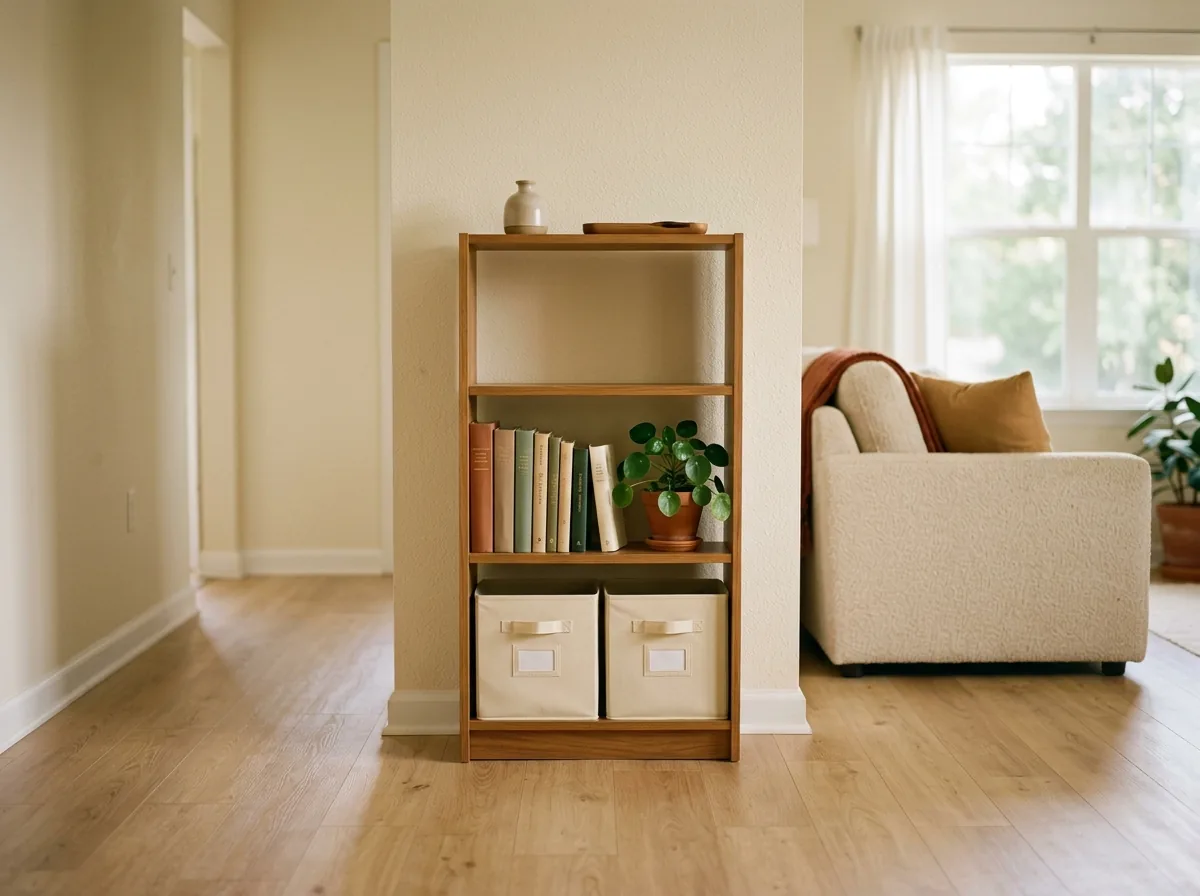
5. Ignoring the Vertical Space You Already Own
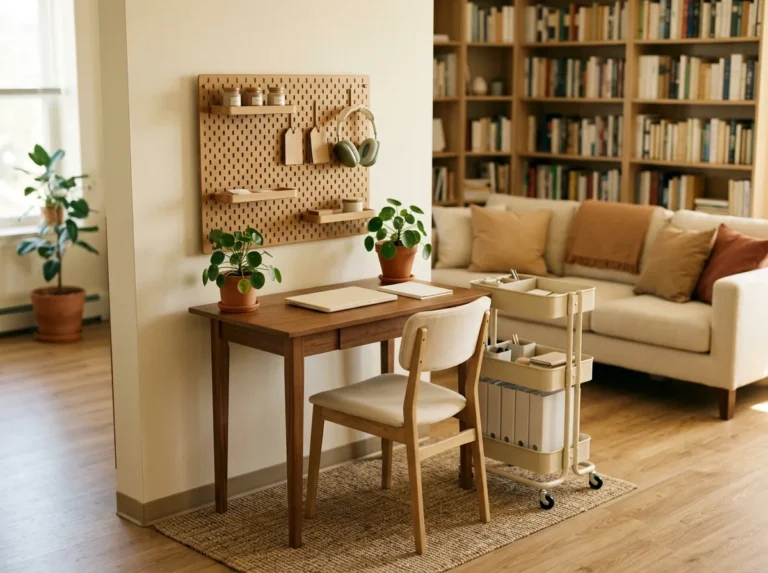
Most small homes store between knee and shoulder height and leave everything above the door frames empty. That vertical band is rent-free storage: a shelf above the door, high hooks for rarely used bags, tall slim units, not wide low ones. Look up before you buy anything — the space is already there.
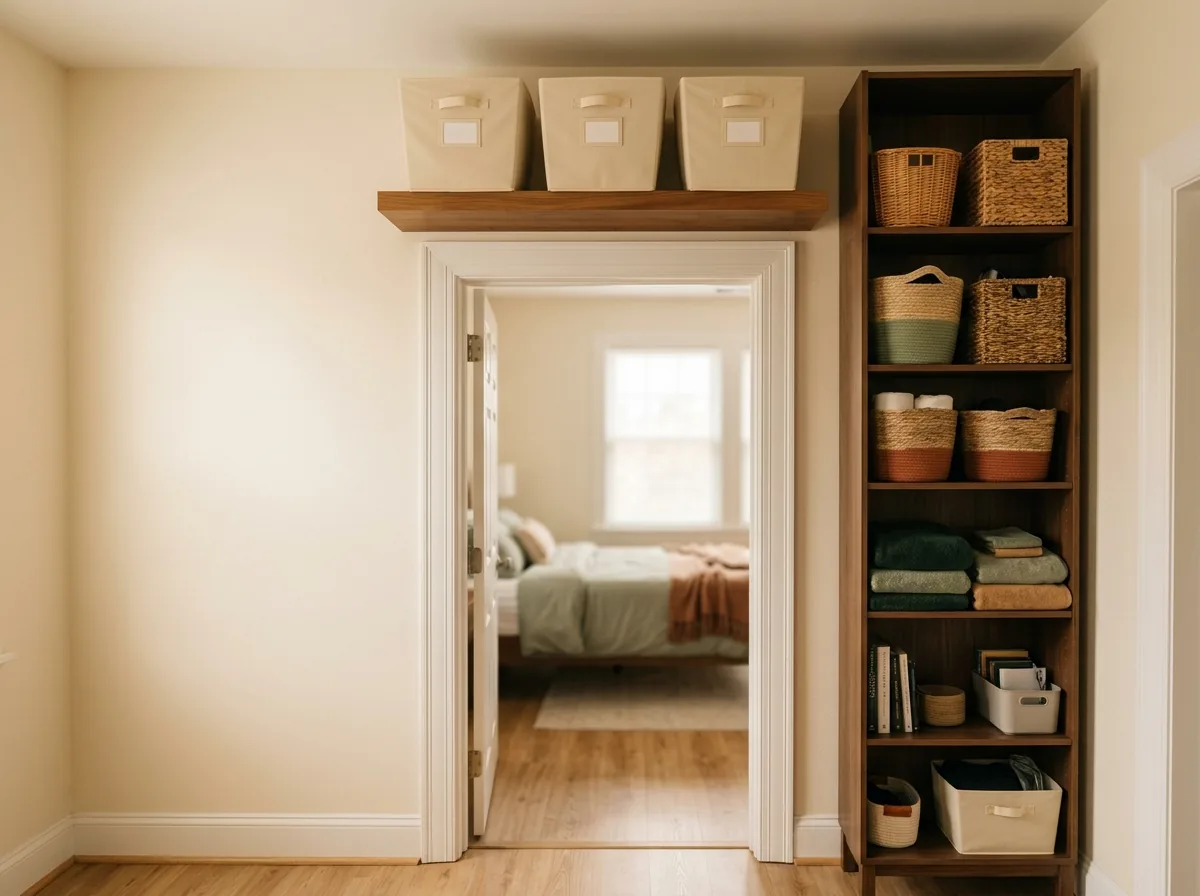
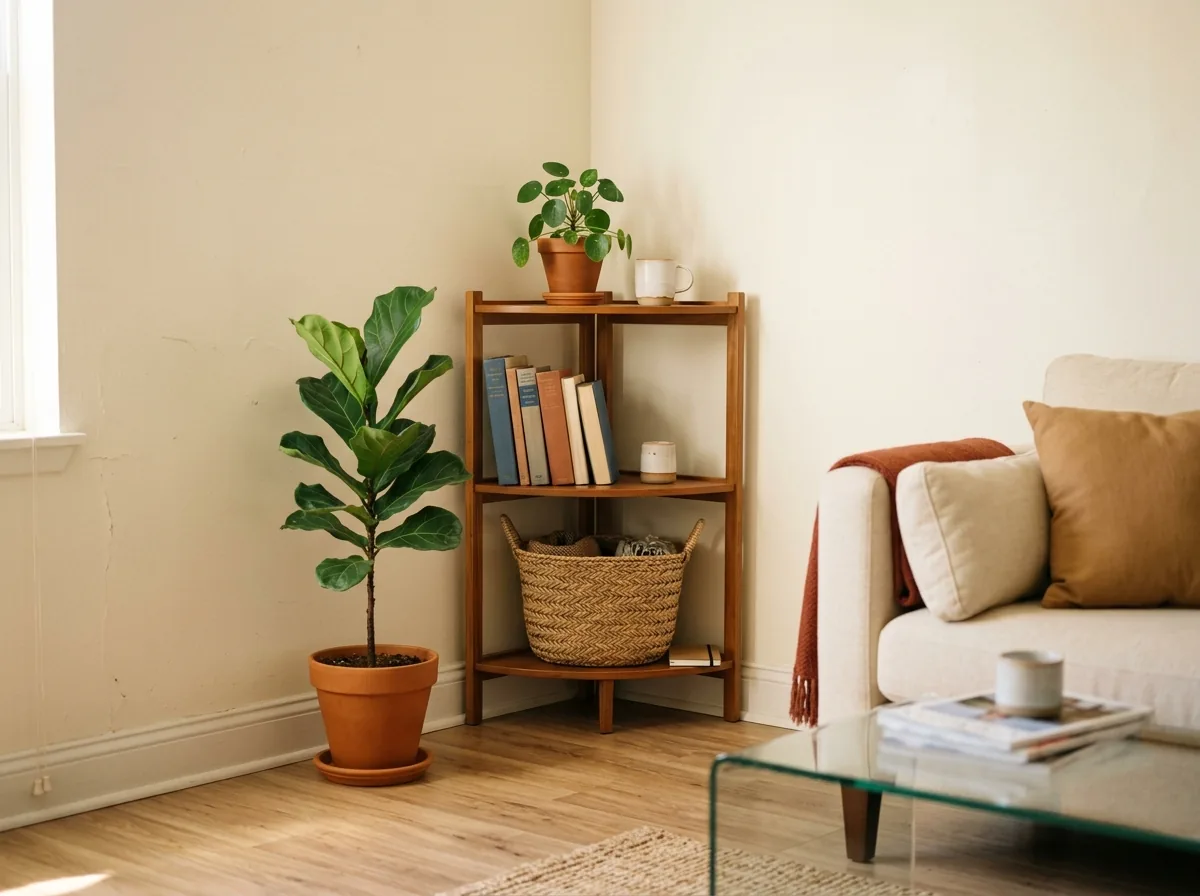
6. Leaving Dead Corners Empty
Corners are where small-space storage goes to be forgotten: the gap beside the fridge, the angle under the stairs, the closet’s dark end. Each is a home waiting for a category — a corner shelf, a slim rolling cart, a hook rail. Walk your home with fresh eyes and claim every corner.
Furniture and Layout Mistakes That Shrink the Room
7. Pushing All the Furniture Against the Walls
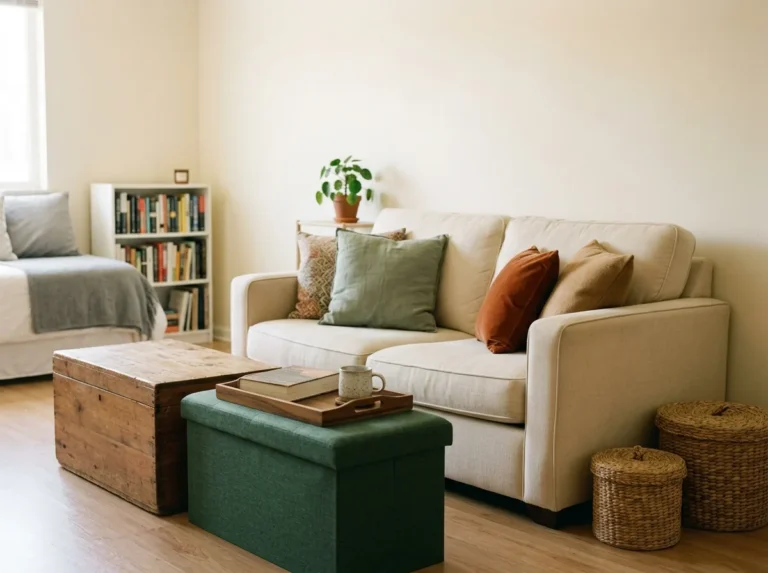
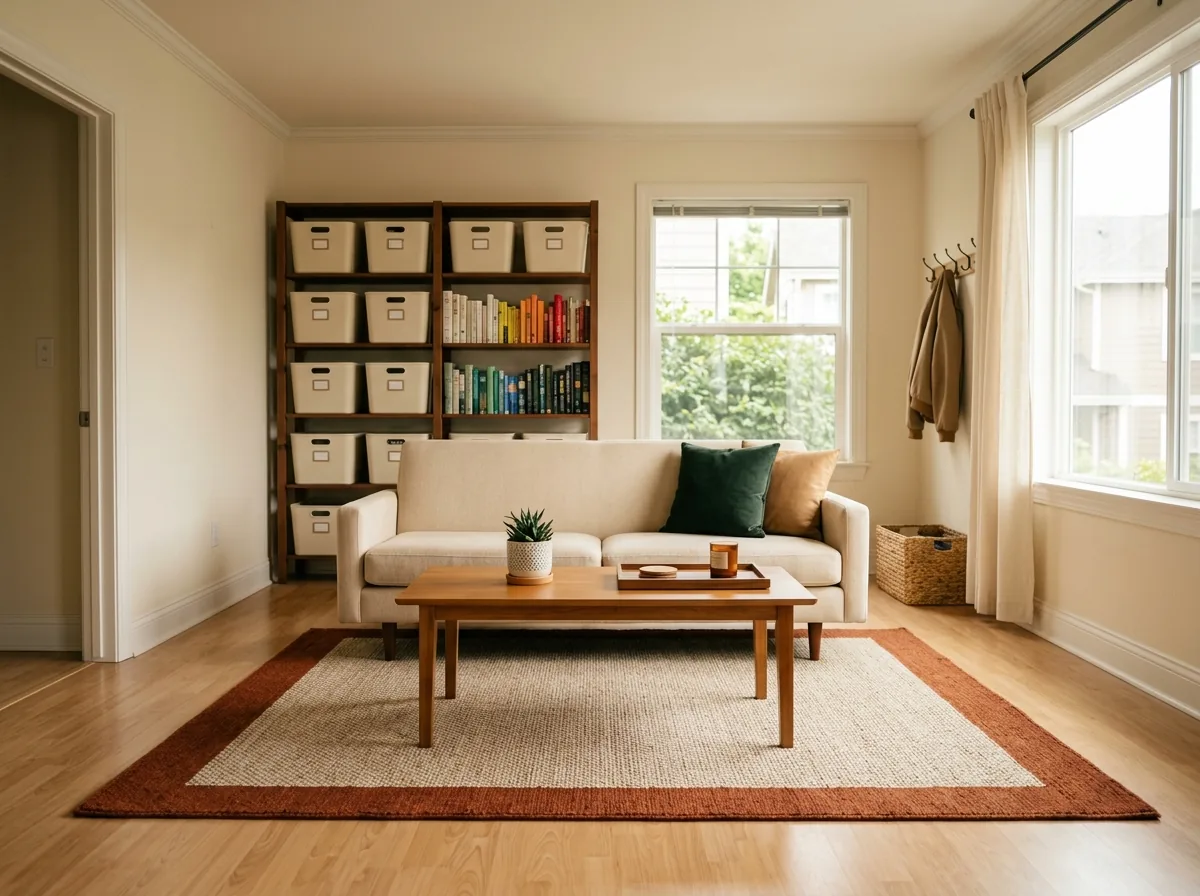
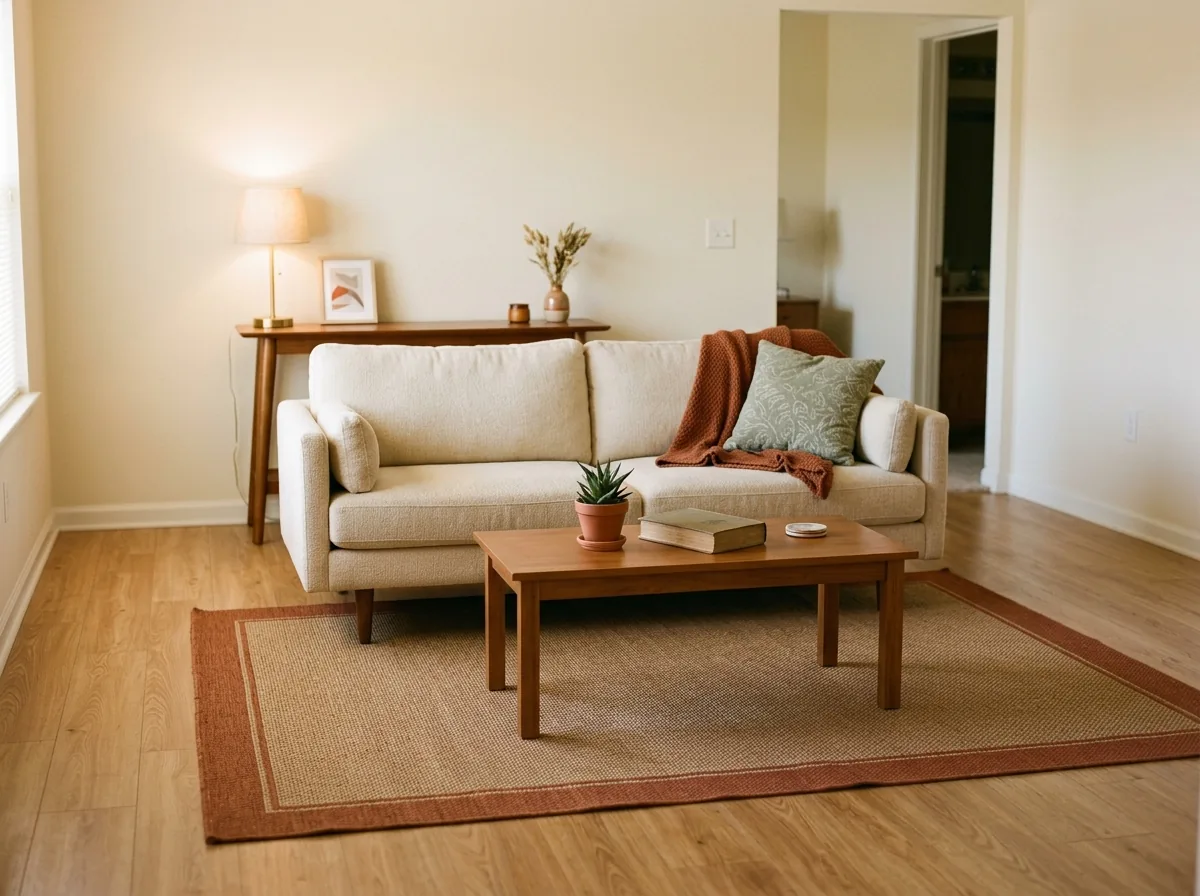
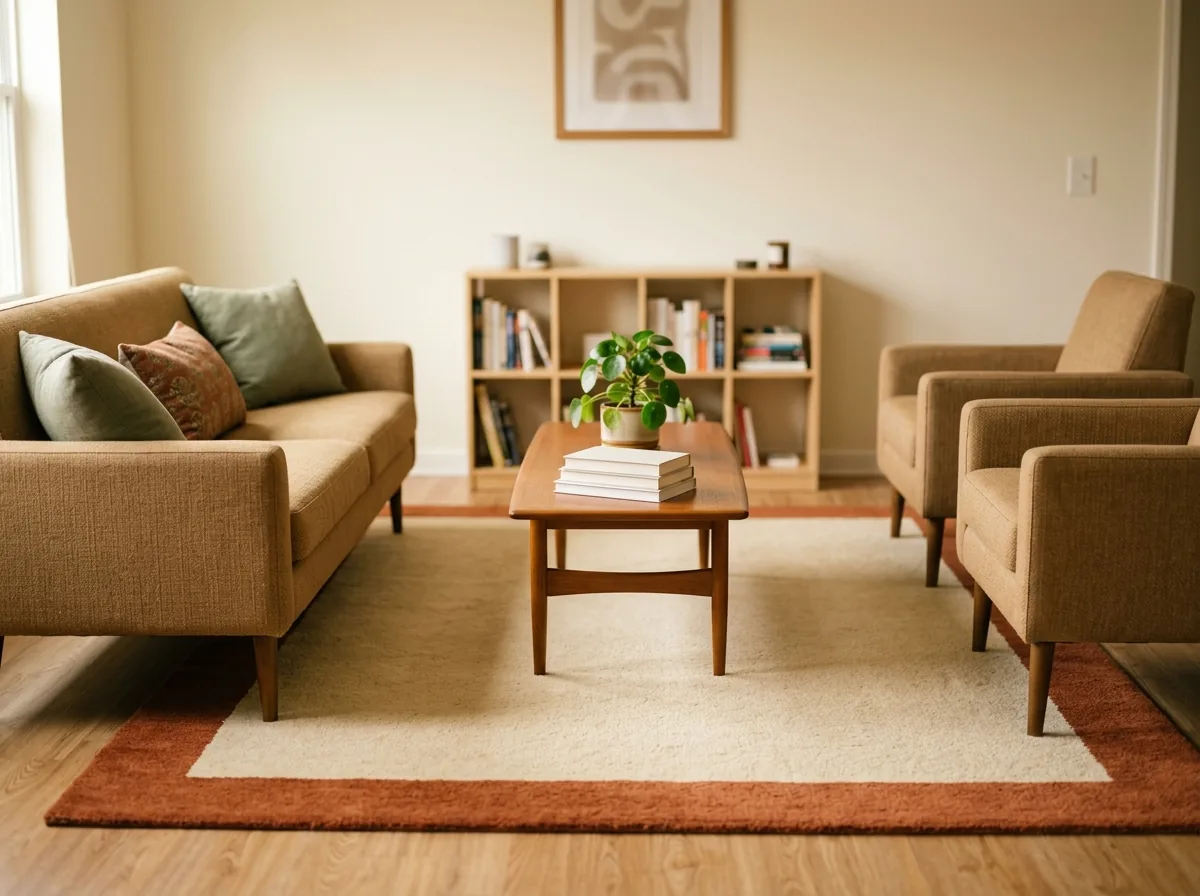
It feels logical — clear the middle, gain space — but a room with every piece glued to the walls reads as a waiting room, its bare centre emptier, not bigger. Float the sofa a few inches off the wall, rug and coffee table grouped on it, and you get a “room within the room” that feels generous.
8. Blocking the Windows and the Light
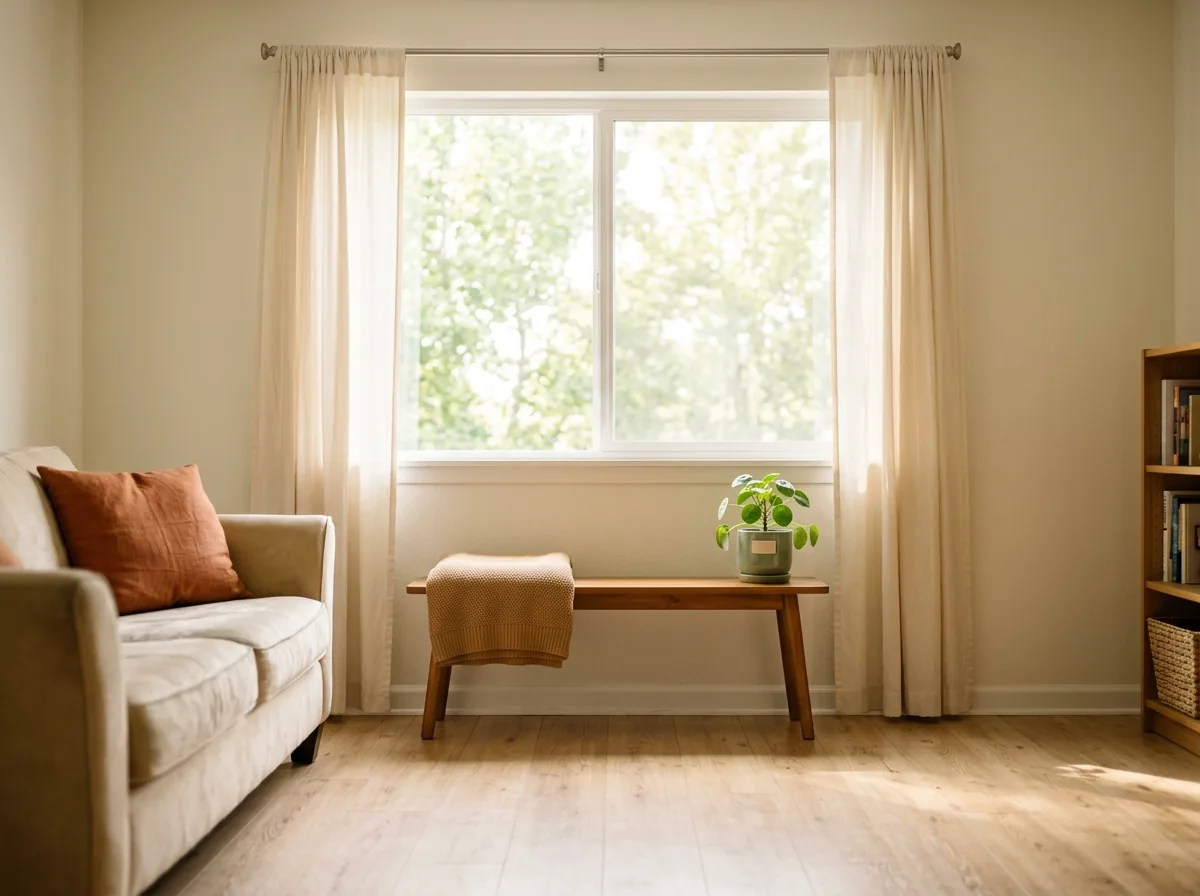
Tall furniture parked in front of windows steals the one thing that makes small rooms feel large: light. A bookcase halving a window or a sofa back swallowing the sill cuts brightness and the sightline outside. Keep window zones low and clear — nothing taller than the sill in front of glass — and let daylight expand it for free.
9. Choosing a Sofa That’s Too Big for the Room
The oversized sofa is the small living room’s priciest mistake: deep seats, wide arms and a high back can eat half the floor while seating the same three people. A slimmer profile — narrow arms, raised legs, lower back — returns visible floor, which is what the eye measures as space. Budget tip: Raised legs matter more than price; visible floor makes any piece read half its size.

10. Leaving No Walking Lanes
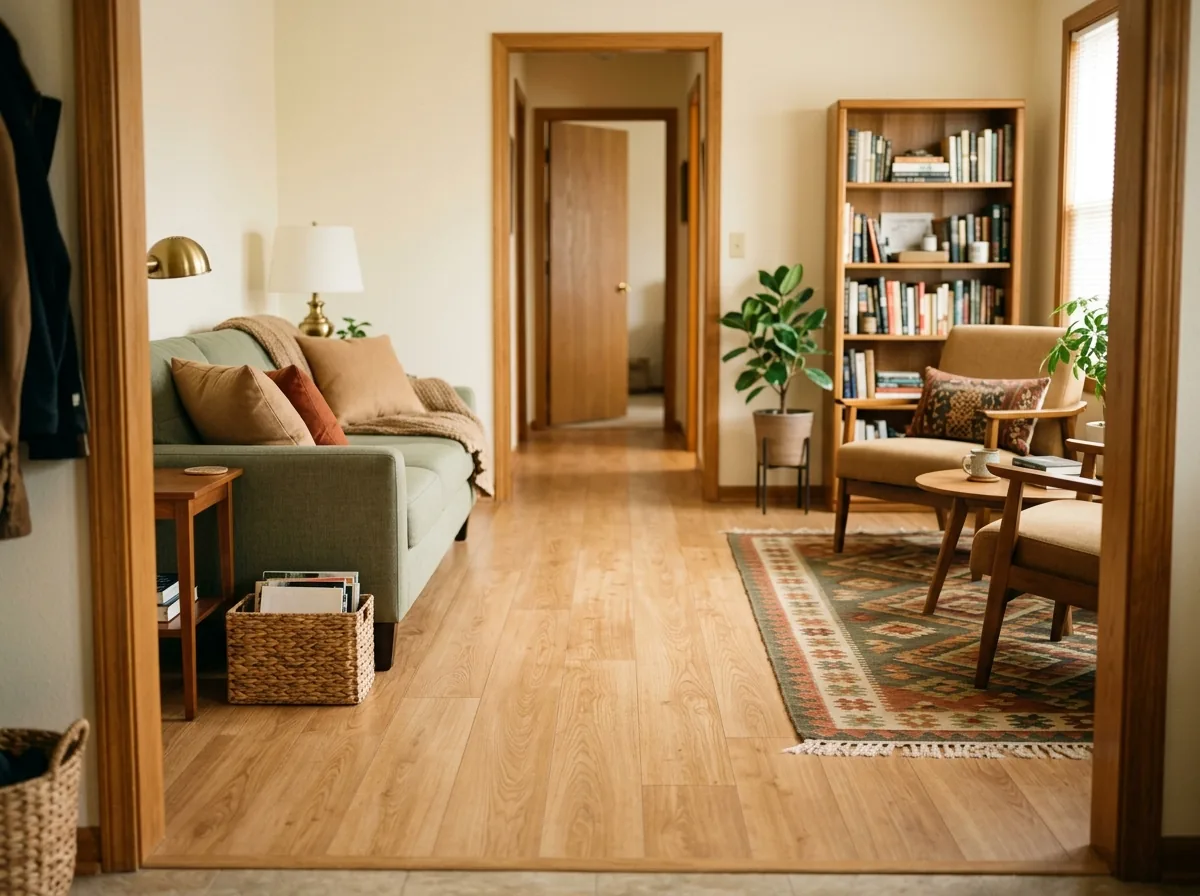
When every route through a room involves sidling past a chair or stepping over a basket, the home feels like an obstacle course — and much smaller than it is. Keep one clear lane, a hip-width and a half, from door to door. If a piece interrupts the lane, it is in the wrong place, however pretty it is.
11. Using a Rug That’s Too Small
A postage-stamp rug floating mid-floor chops the room into confetti. The eye reads its edges as the room’s edges, and the room shrinks to match. Size up: the rug should reach under the front legs of the sofa and chairs, stitching the seating into one generous zone.
12. Keeping One Piece of Furniture Too Many
Most small rooms are not under-furnished — they are one piece over. The extra side table, the second bookshelf, the chair nobody sits in: each steals floor, lanes and light. Try a week with the least-loved piece elsewhere (or listed for sale). If nobody misses it, the room just got bigger for $0.
Surface and Clutter Mistakes That Keep the Eye Busy
13. Letting Every Surface Become a Landing Strip
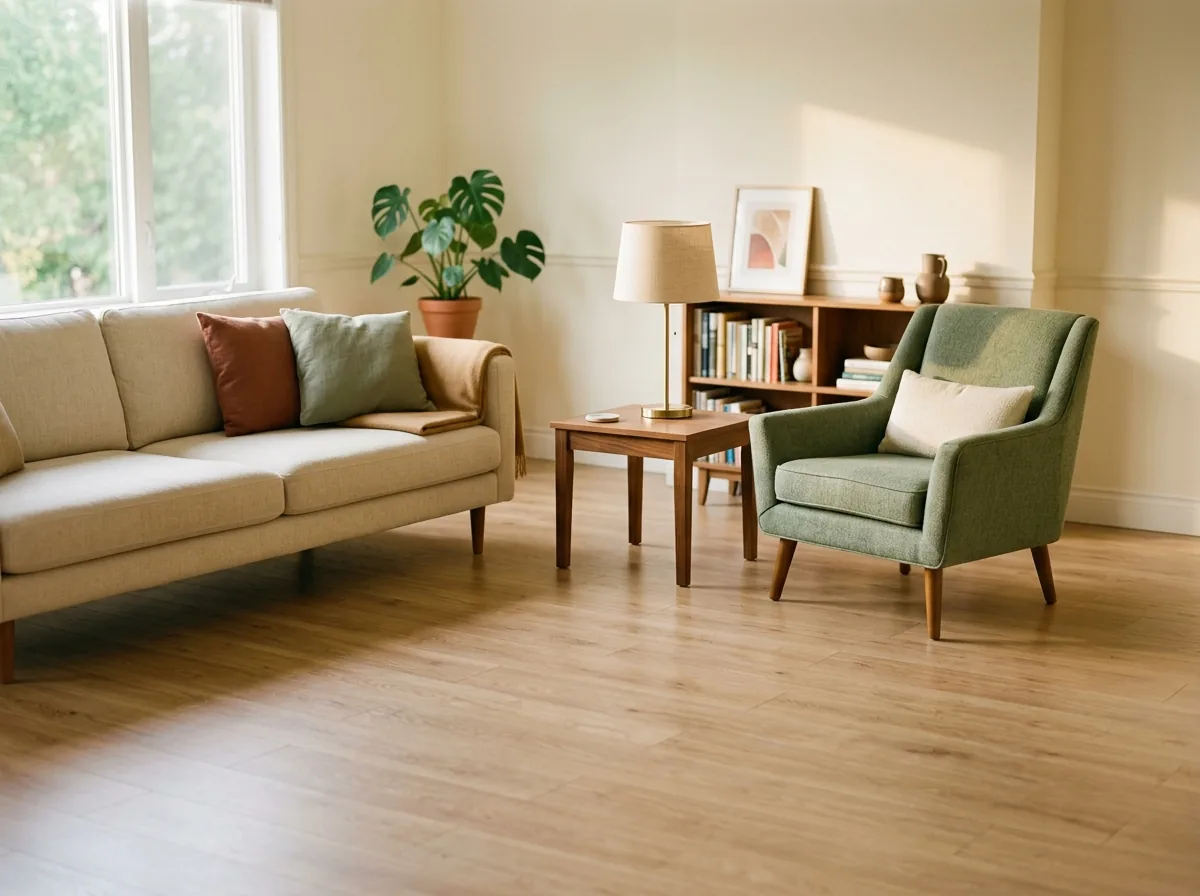
Clear surfaces make a small home feel calm, and they vanish one “just for now” at a time — post on the counter, keys on the table, bag on the chair. Ten small things on a surface read as clutter however useful they are. Defend one fully clear surface per room.
14. Cramming Open Shelves to the Edge
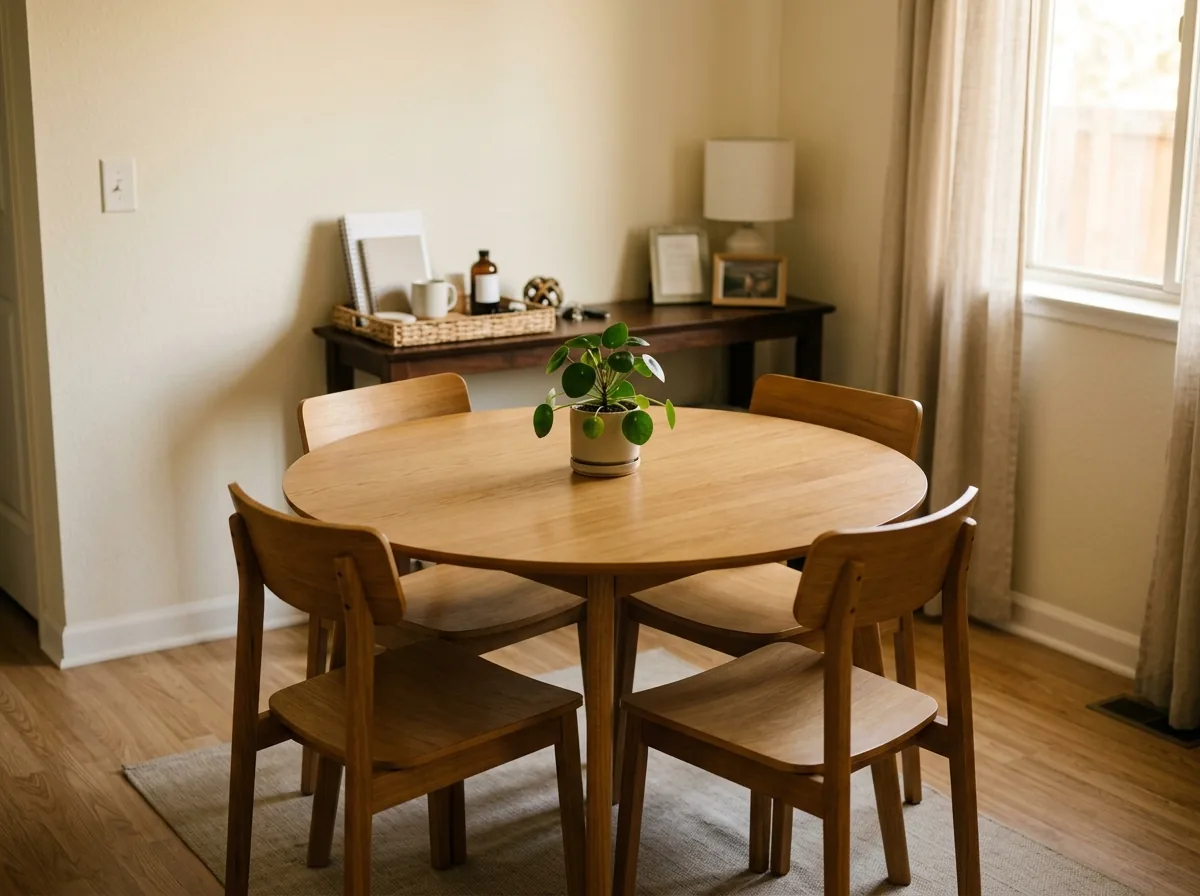
Open shelving is beautiful at two-thirds full and chaotic at capacity. Packed edge to edge, it becomes a wall of stuff the eye cannot rest on. Edit shelves like shop displays: groups of objects with gaps of air between them. If it does not earn display status, it belongs behind a door.
15. Decorating With Dozens of Tiny Things
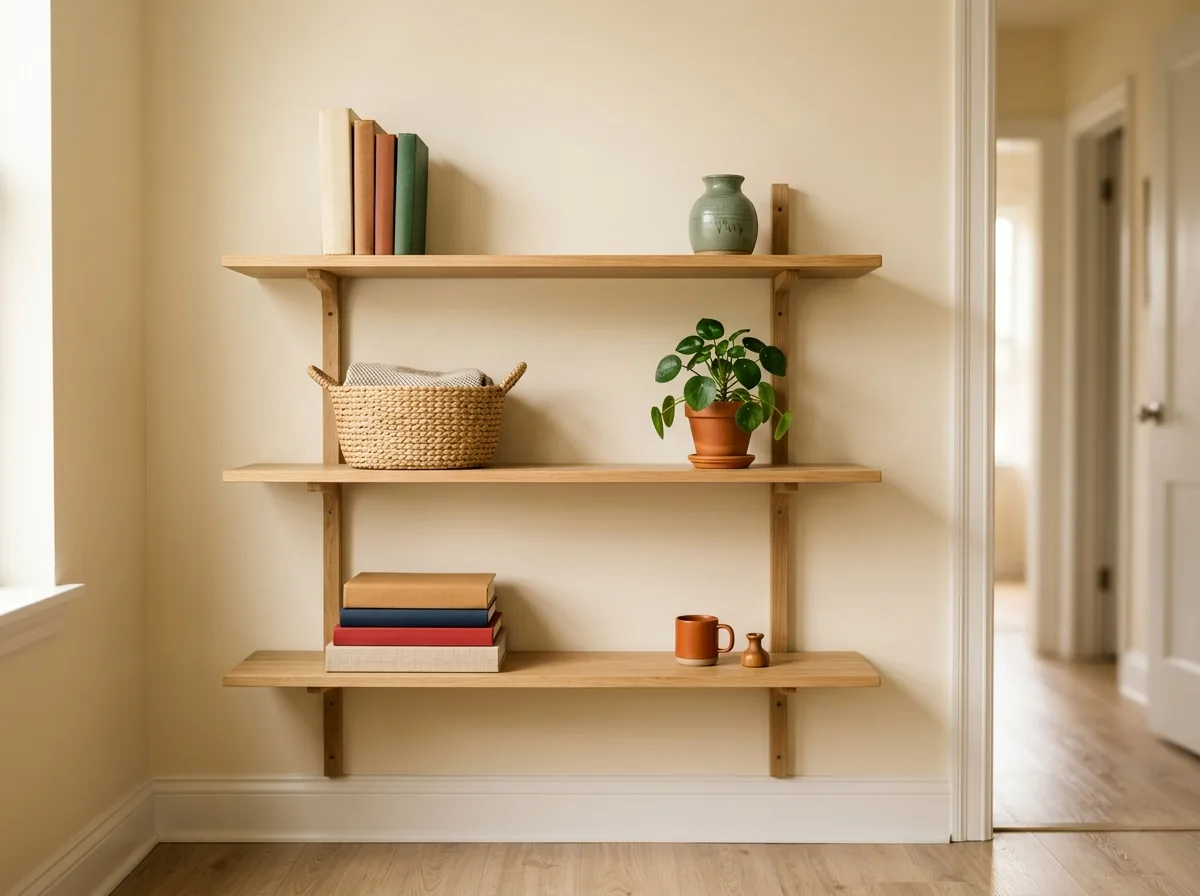
Thirty small ornaments make more visual noise than one large piece — and small homes amplify noise. Knick-knacks scattered across every surface keep the eye hopping. Break the habit: fewer, bigger pieces, grouped in twos and threes, with whole surfaces left gloriously empty between them.
16. Letting the Fridge Door Become a Landslide
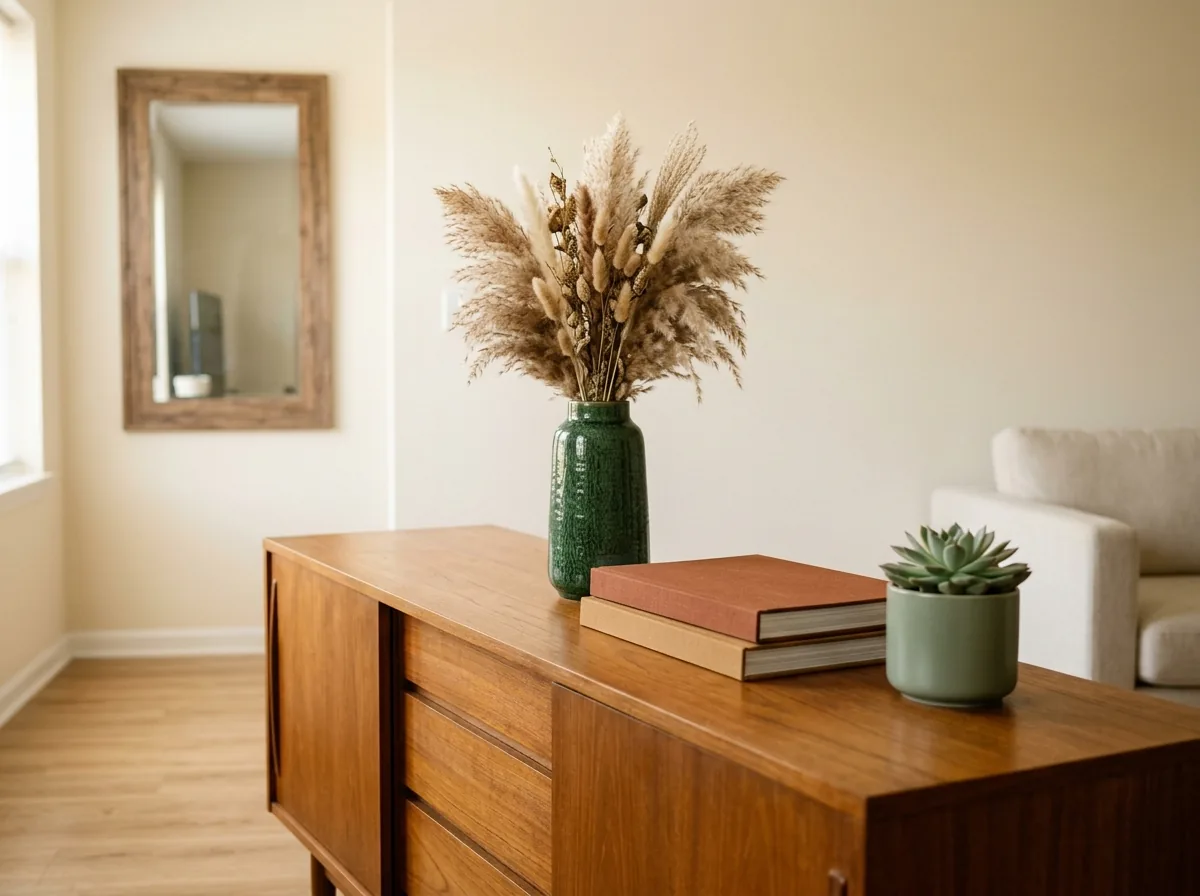
Magnets, menus, school notes, photos buried under photos — the fridge door becomes a billboard nobody reads. It is such a classic that the flagship challenge gives it its own day (Day 6). Strip it back to what is current and loved, one layer deep, and the kitchen exhales.
17. Leaving Loose Items Loose Instead of Corralled
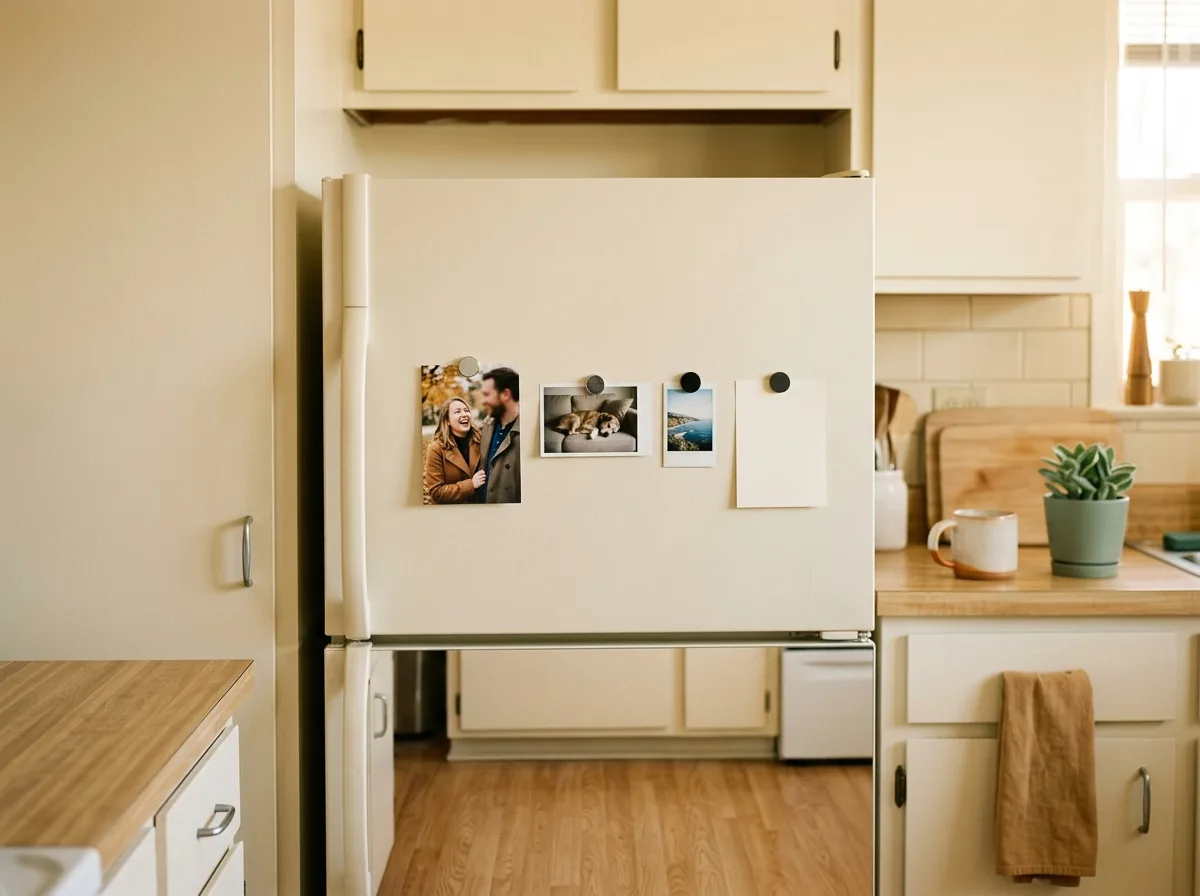
Loose items sprawl; corralled items read as one object. Ten things scattered on a console look like a mess — the same ten in a tray look like a decision. Put a tray, bowl or basket under every natural cluster: keys, remotes, chargers, bathroom bottles. It costs almost nothing and halves a room’s visual count.
Closet and Kitchen Mistakes That Hide Your Storage
18. Keeping Two Seasons in One Closet
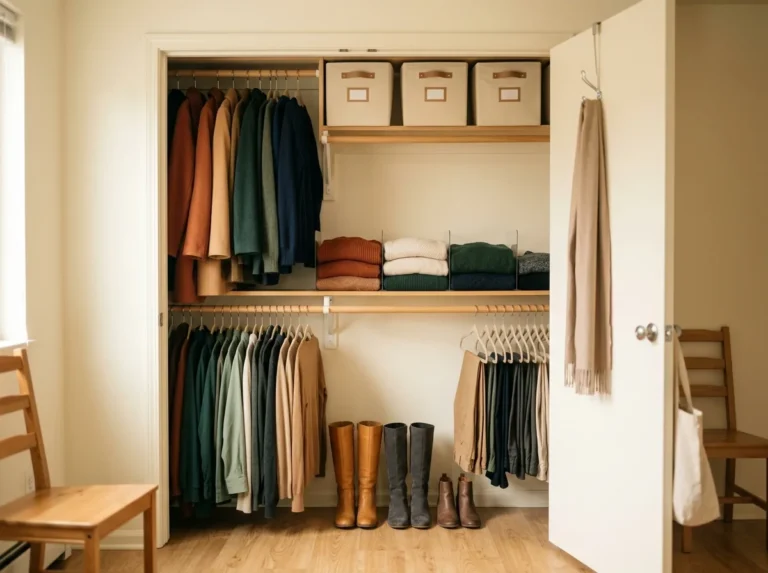
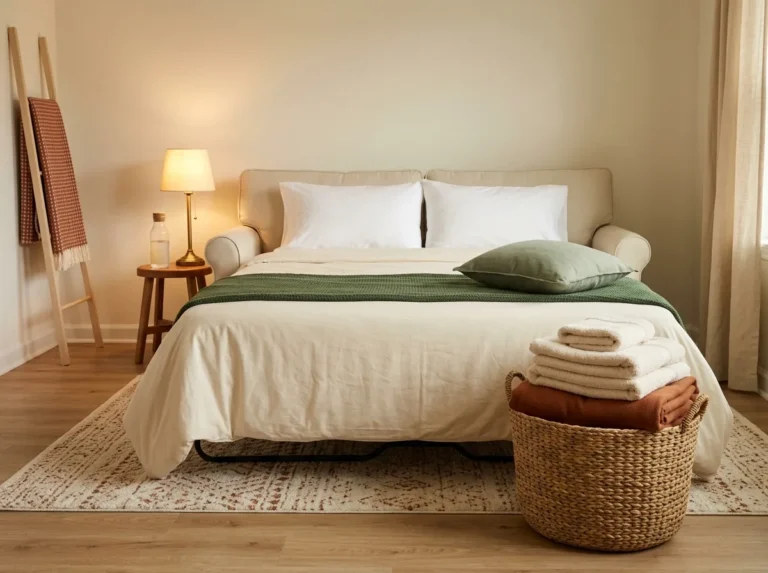
A closet holding winter coats and summer dresses at once is a closet at war: everything wrinkled, the rail permanently full. Small closets only work one season at a time. Swap seasonally, the off-season half packed flat and labelled under the bed, with the system in our small closet organization guide.

19. Hanging Everything on Chunky, Mismatched Hangers
Wire, dry-cleaner and chunky plastic hangers each eat width, and a rail full of them can cost a third of your hanging space while looking chaotic. One set of slim, matching hangers sits almost flat, lines shoulders up in one calm row, and hands you back space the same afternoon — the cheapest closet expansion there is.

20. Letting Rarely Used Appliances Live on the Counter
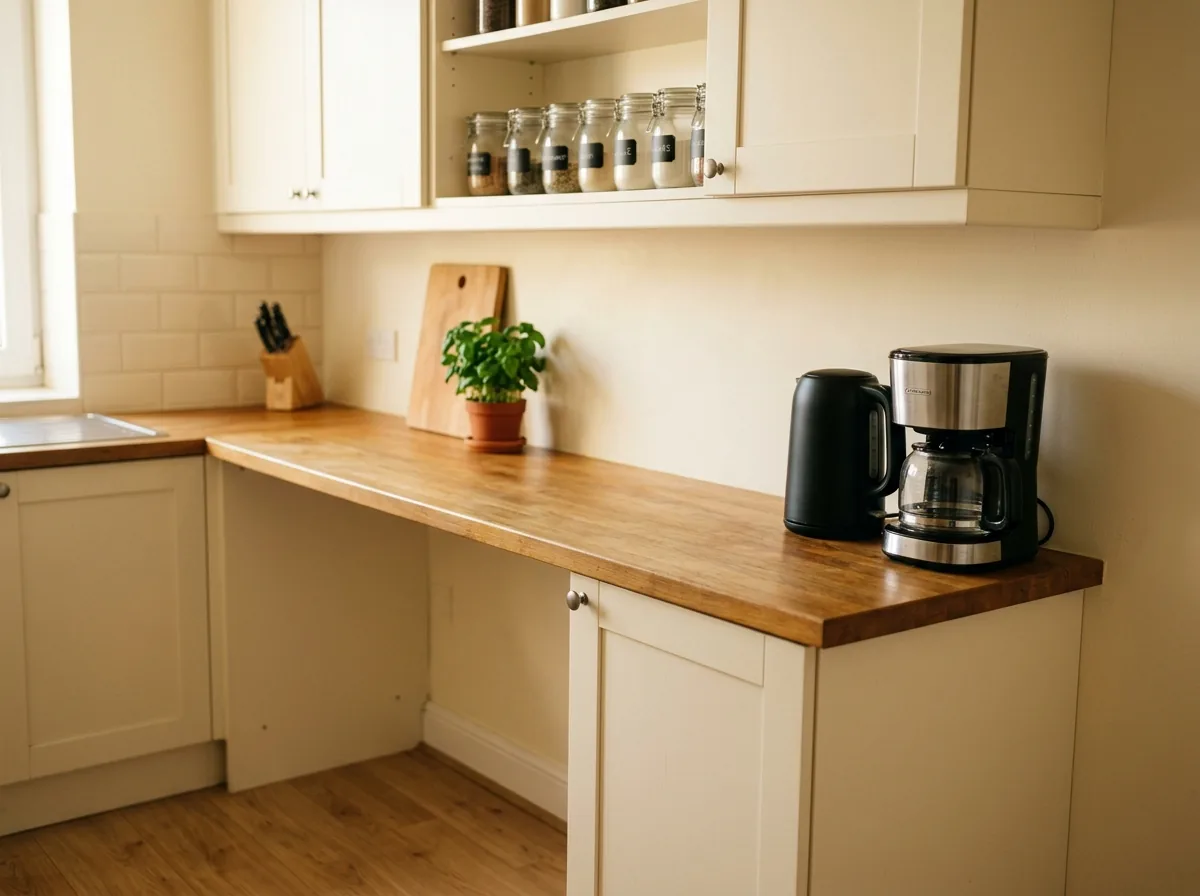
The bread maker, the juicer, the waffle iron used twice a year — each parks permanently on prep space you need daily. Counters shrink by appliance, not by inch. Keep out only what earns daily use; the rest gets a cupboard or an honest new home. Our small kitchen counter system shows what stays out.
21. Running a Pantry With No Zones
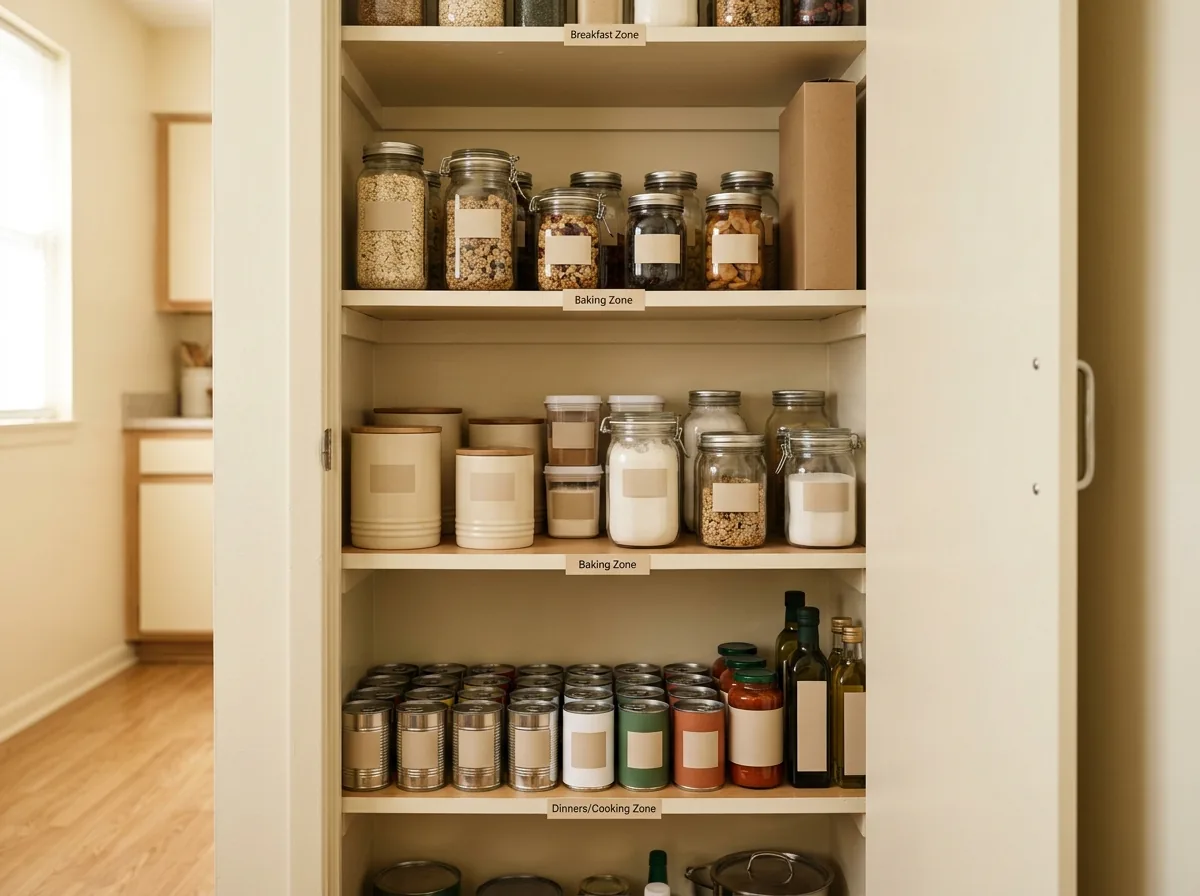
A pantry where pasta leans on pet food and spices hide behind cereal is a pantry you shop in twice — once at the store, once again for what you could not find. Group by meal: breakfast with breakfast, baking with baking, labels out, oldest at the front. Zones turn a cupboard into a system readable at a glance.
22. Stuffing Cabinets Until Nothing Is Reachable
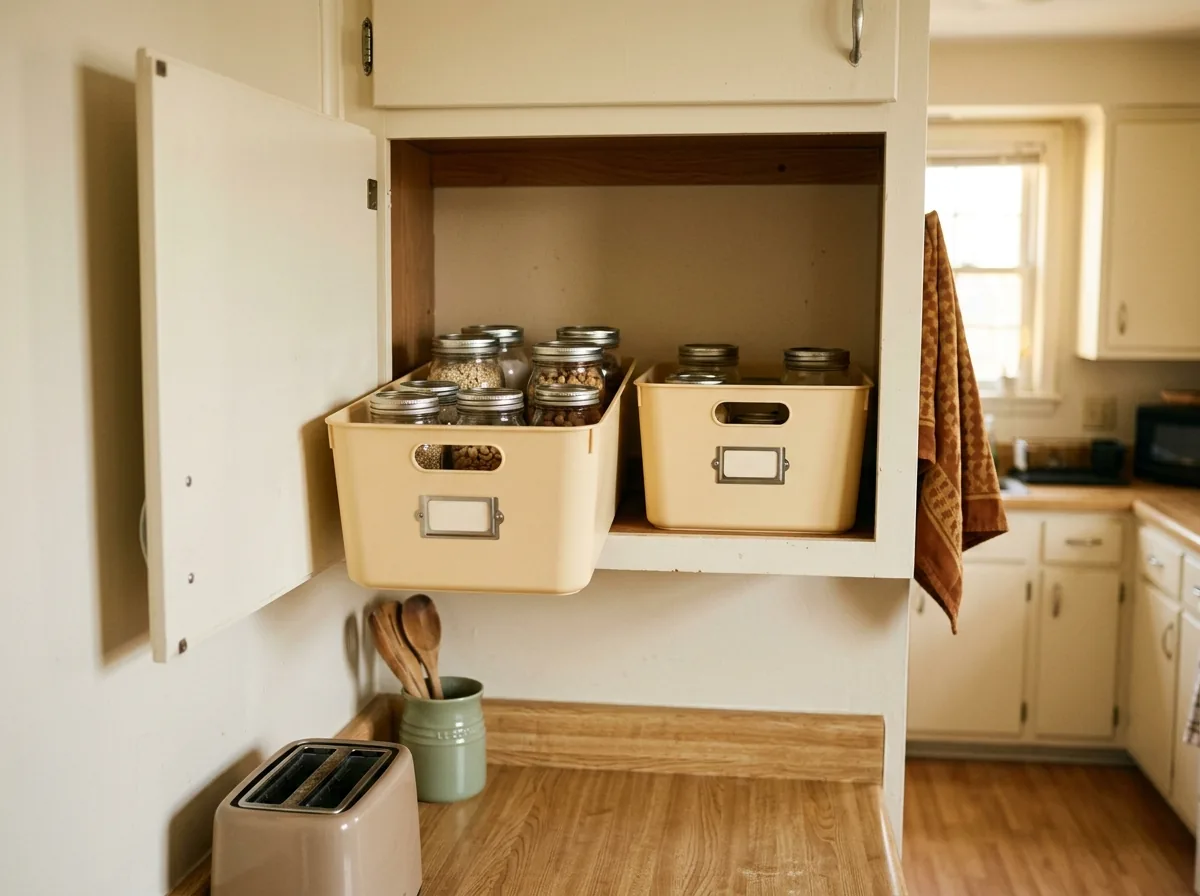
A cabinet packed to the brim is not storage — it is a queue. Things at the back might as well live on the moon, and every use becomes an excavation. Keep cabinets “one layer deep with bins”: a bin per category, pulling out like a drawer. If it does not fit the bin, it is a donation-bag candidate.
23. Using the Closet Floor as a Dumping Ground
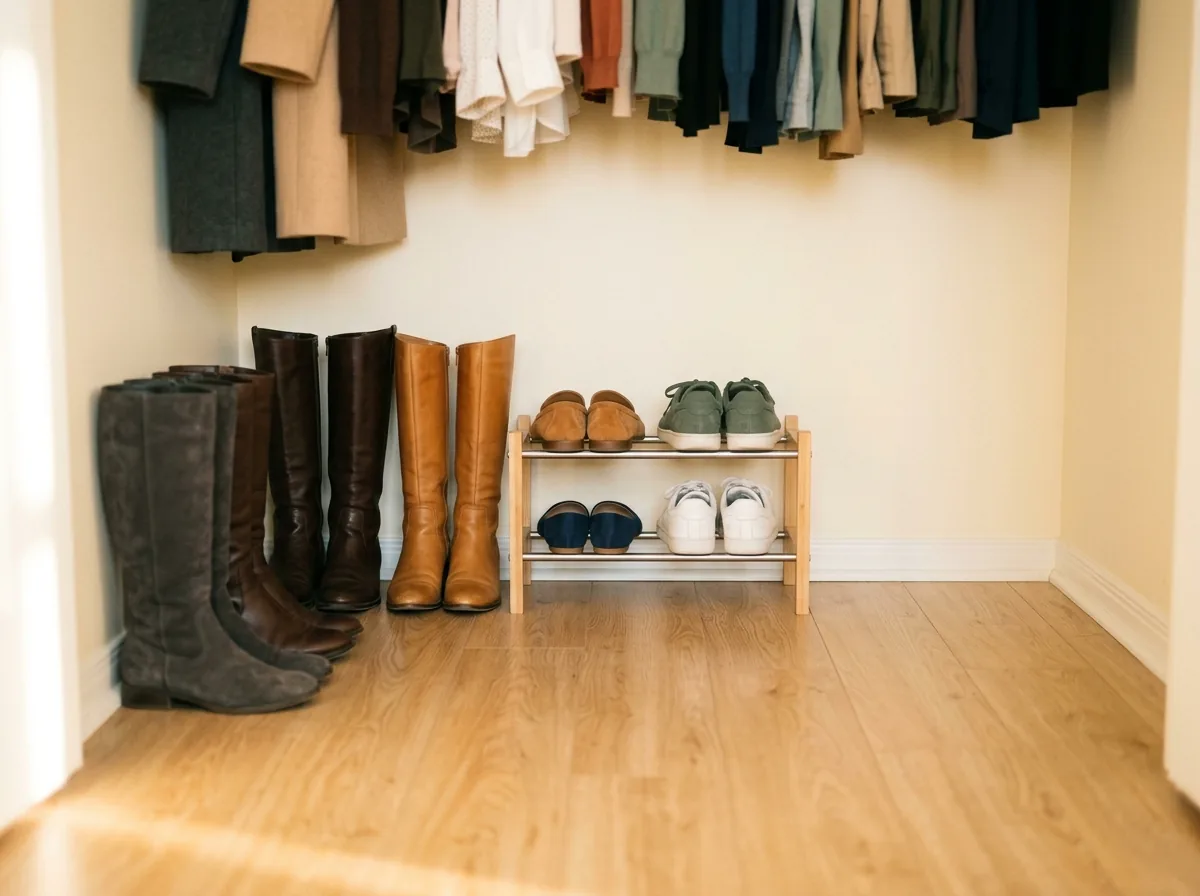
The pile on the closet floor — shoes, bags, the gym kit, things with no home — turns getting dressed into archaeology and makes the closet read as full when the rail is not. Clear it to a boot row and one shoe rack; give every refugee a real address — a hook, a shelf, the under-bed box. The floor is a surface, not a category.
Habit Mistakes That Let It All Creep Back
24. Having No Landing Strip at the Door
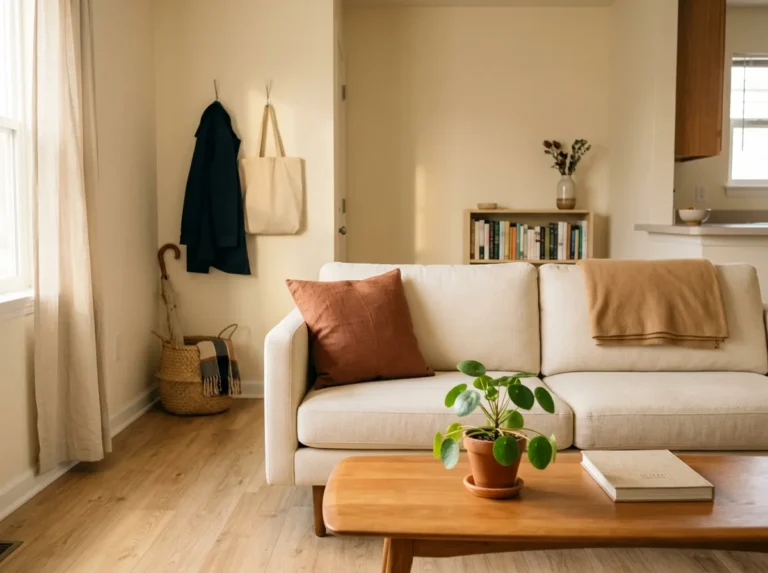
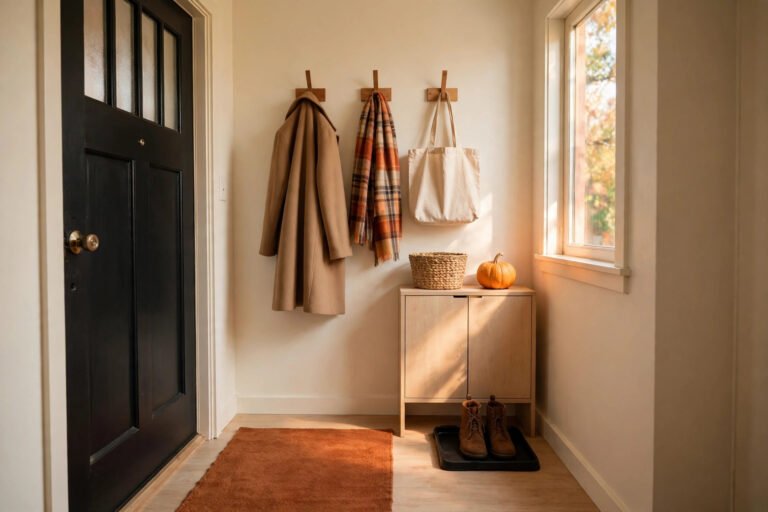
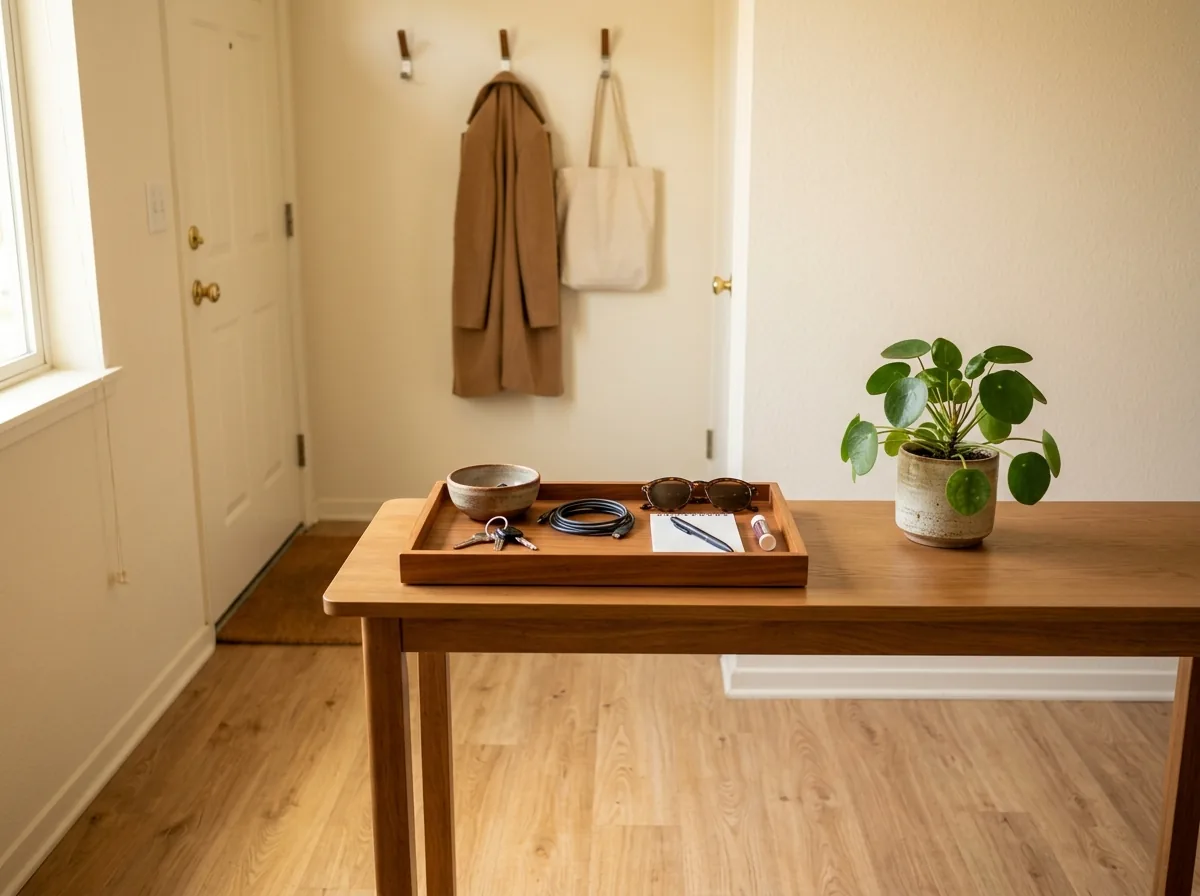
Clutter enters through the front door, and without a designated landing strip — one hook, one bowl, one basket — it lands everywhere: post on the counter, bag on the sofa, shoes across the hall. Give arrivals one small home at the door and empty it in the evening reset. Stop clutter at the border and the home stays calmer.

25. Skipping the One-In, One-Out Rule
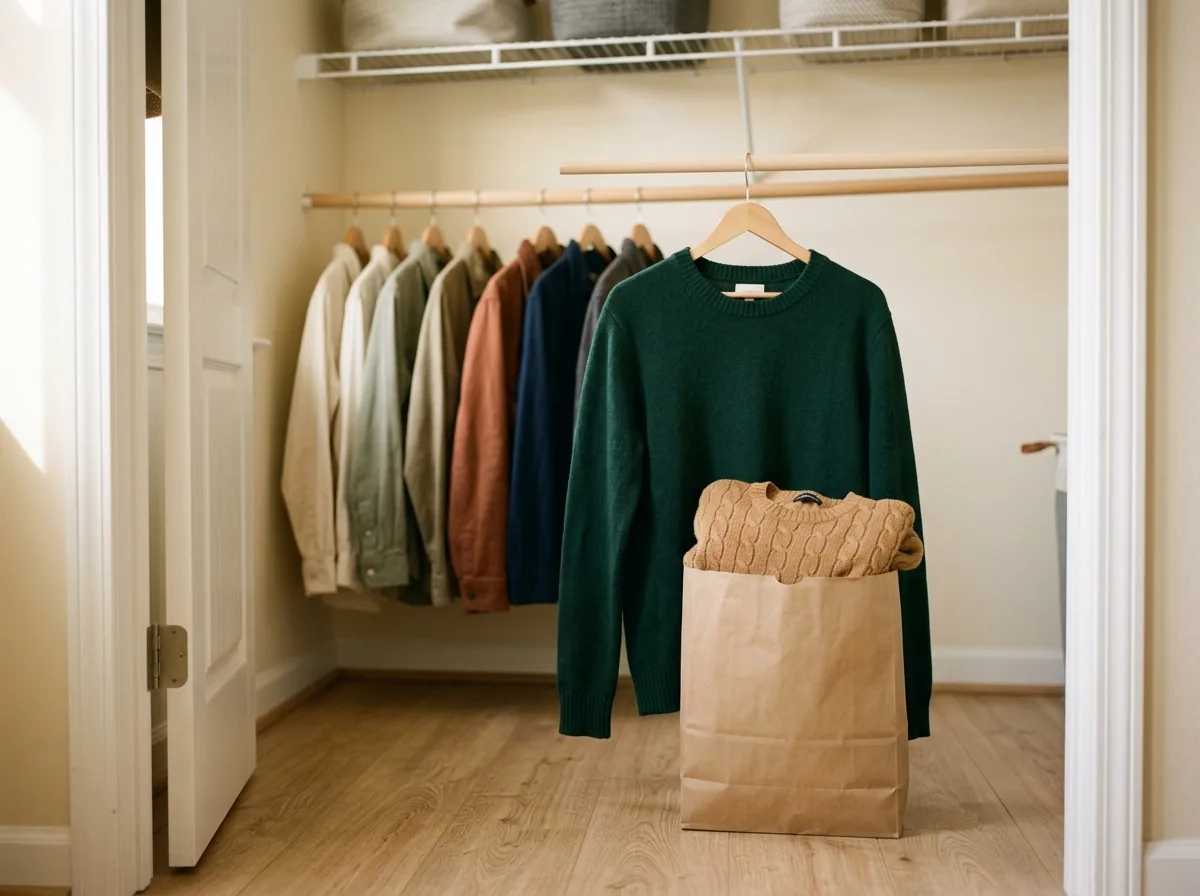
Small homes stay calm only when the volume holds steady, and nothing holds it like one-in, one-out: a new sweater joins the rail only when an equal piece leaves. Without the rule, every purchase expands the clutter frontier. Keep a donation bag on the closet floor so the “out” half takes ten seconds.
26. Keeping “Just in Case” Duplicates
The third set of guest towels, the backup of the backup cable, the spare gadget for a hypothetical emergency — duplicates are storage rent paid for imaginary lives. Keep one spare of true consumables and let the rest go. In a real emergency, shops exist; the space is worth more.

27. Storing Things Far From Where You Use Them
The batteries in the bedroom, the plasters in the kitchen, the good scissors in a third room — every misplaced category creates rummaging and duplicate buying. Store things at their point of use, even if it means splitting a category across two homes. A thing stored where it is used gets put back.
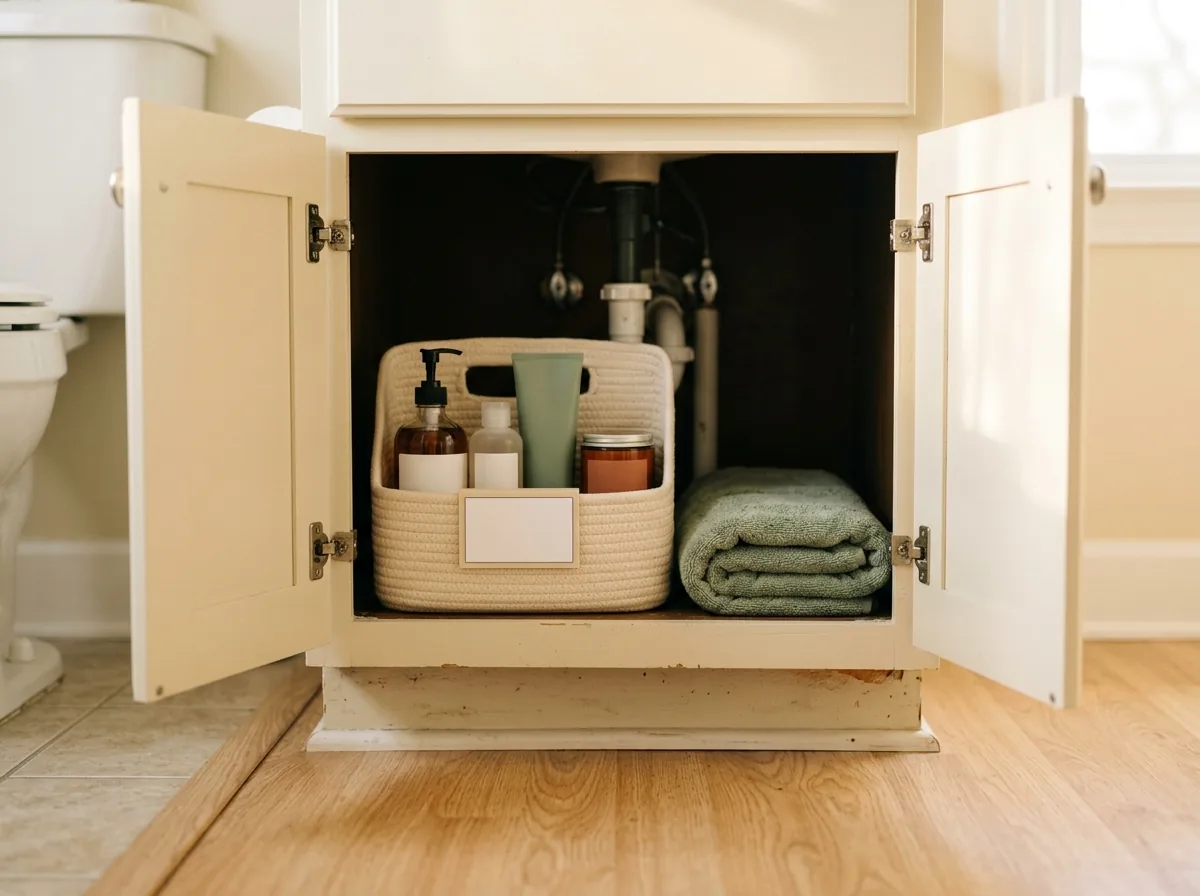
28. Shopping Before You Measure
The storage box a half-inch too wide, the shelf that swallows the alcove’s light, the basket that fits nothing — unmeasured shopping manufactures clutter with a receipt. Measure the space and shop with the numbers in your phone. Budget tip: A tape measure and ninety seconds beat any storage product.
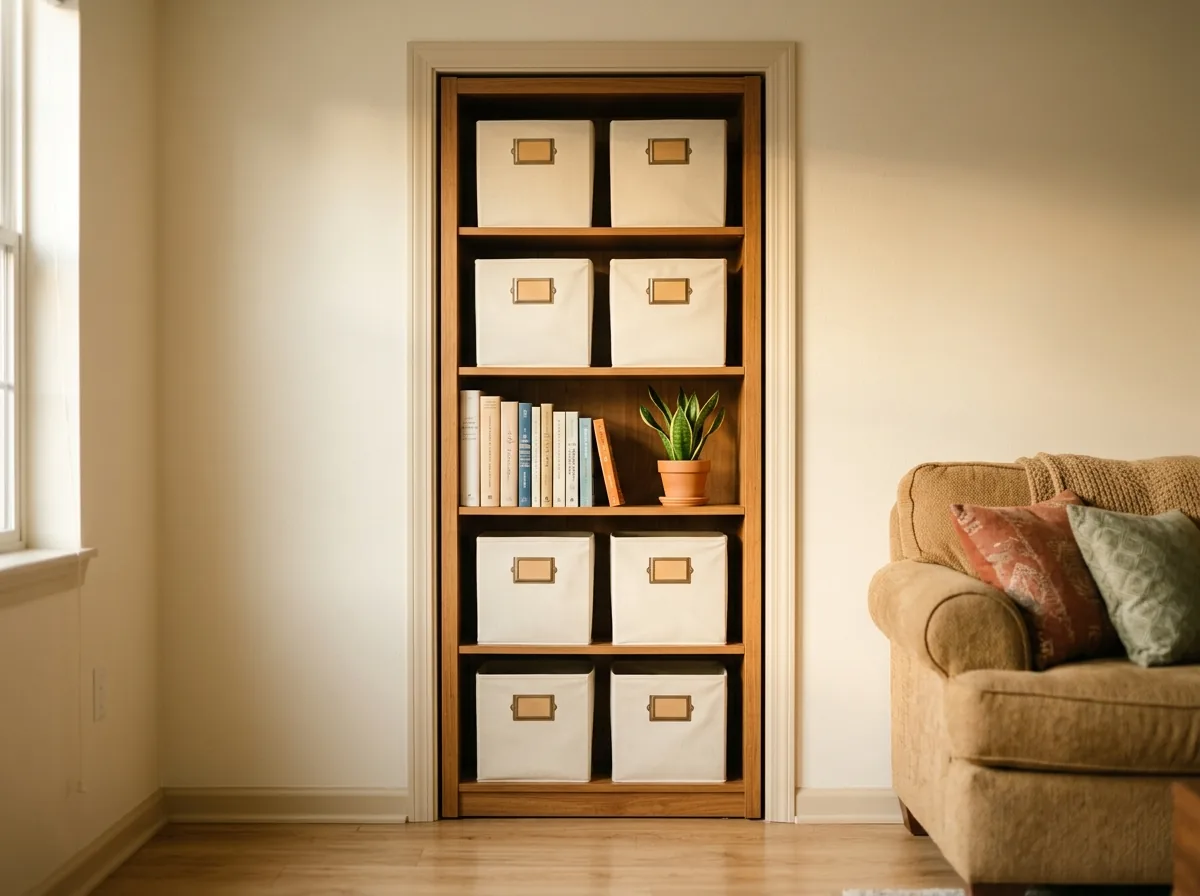
29. Keeping a “Sort It Later” Pile
Later is where clutter is born. The “sort it later” pile — the maybe box, the hallway stack, the chair of clothes in limbo — charges rent in guilt every time you pass it. Sort in the moment with three boxes (keep, move, out) and finish the round: move box delivered, out box by the door.
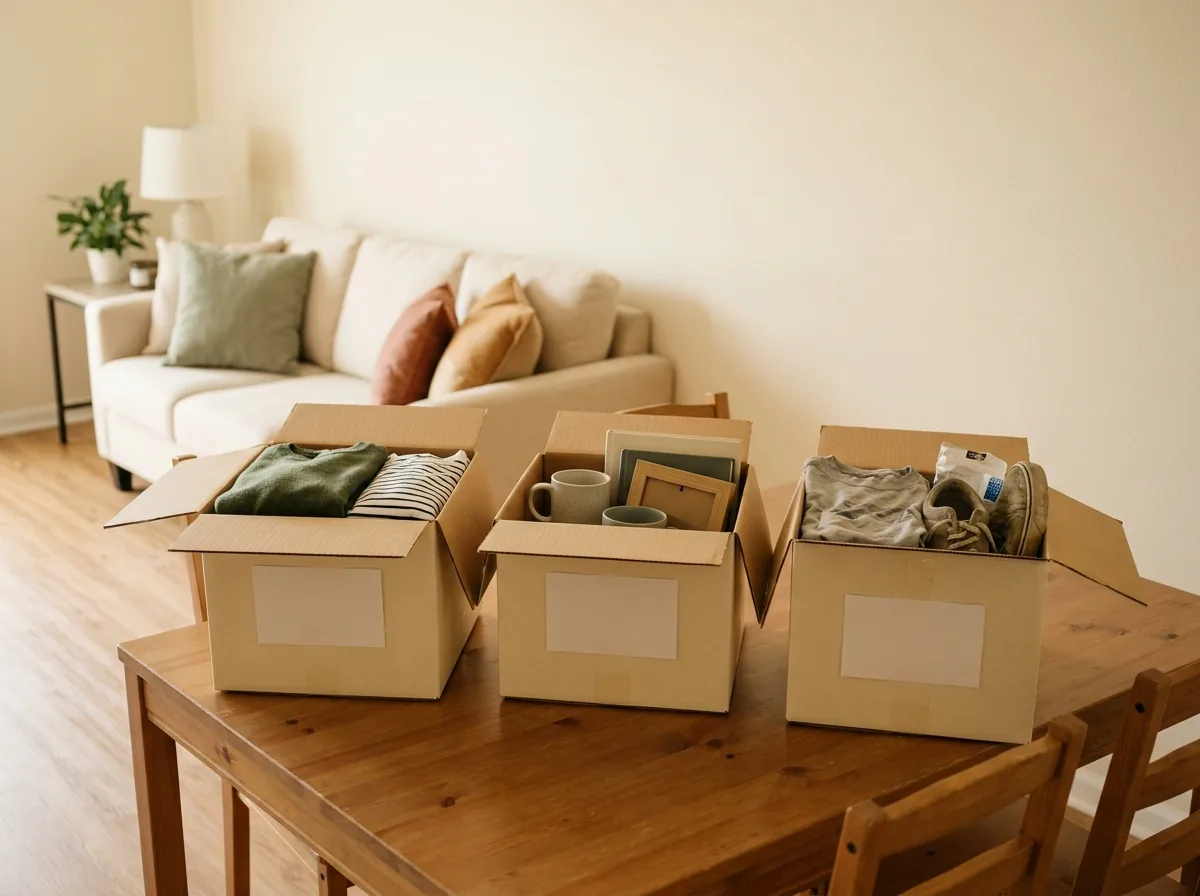
30. Storing Bins Without Labels
Unlabelled bins are mystery boxes, and mystery boxes get re-bought: the decorations you already own, cables you bought twice. Label every stored bin with contents and, for seasonal things, the month it comes back — plus a phone photo taken before the lid closes. A minute per bin removes both storage pains.
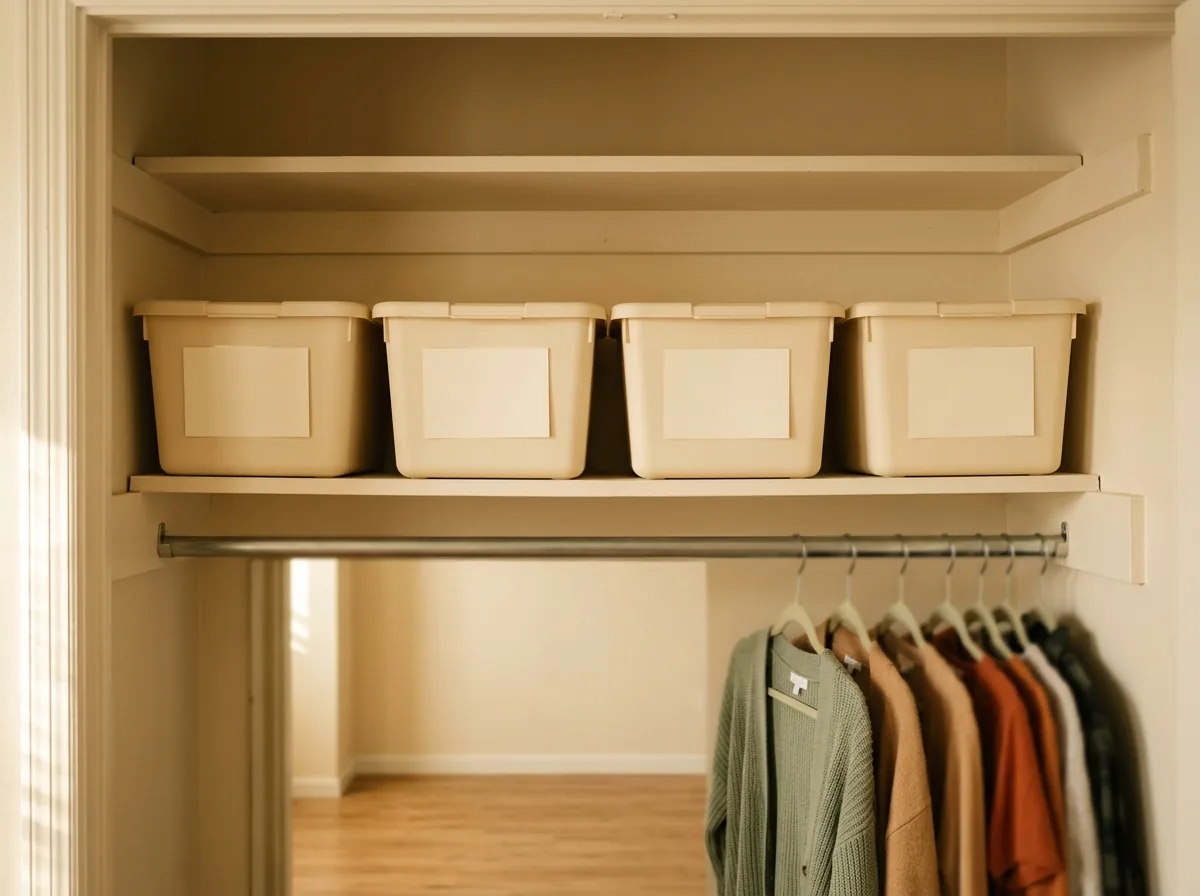
31. Organizing the Clutter Instead of Editing It
The deepest mistake is also the kindest-looking: beautifully organizing things you do not need, use or love. Alphabetised clutter is still clutter — it has simply been promoted. Edit first: if it fails the use-it/love-it test, no container will save it. Organize only the survivors, simply. That order — edit, then organize — is the whole secret.

The Mistake-Fix Checklist
Pin it inside a cupboard door:
- Decluttered before buying storage — containers fit the survivors
- Vertical space claimed: above-door shelf, high hooks, tall slim units
- Sofa floated off the wall; rug reaches under the front legs; walking lanes clear
- One fully clear surface per room; loose items corralled in trays
- One season in the closet; slim matching hangers; closet floor clear
- Counters hold daily-use appliances only; pantry zoned by meal
- Landing strip at the door; one-in, one-out running; every stored bin labelled
Frequently Asked Questions
What is the single biggest organization mistake in a small home?
Buying storage before decluttering (Mistake 1). It spends money to make clutter permanent, in containers sized for things that should have left. Declutter first — most small homes free a quarter of their stuff — then measure, then buy. Every other fix gets easier afterwards.
How can I make my small home feel bigger without buying anything?
Most of the highest-impact fixes are free: float the sofa off the wall, clear the walking lanes, unblock the windows, empty one full surface per room, and donate the duplicates. Light, lanes and clear surfaces are what the eye reads as space — square footage is an afterthought.
Should all my storage containers match?
No — they should fit. A single matching set rarely suits a deep cupboard and a shallow shelf, and the wasted gaps cost more than the look is worth. Mix sizes; keep calm with one or two colours and materials (opaque where the eye rests, clear behind closed doors) and label everything.
How many of these mistakes should I fix at once?
One section at a time — storage, layout, surfaces, closets, habits — or one mistake a day. The flagship 30-Day Declutter Challenge runs at that pace: fifteen minutes a day, one zone at a time. A weekend of all 31 leads to a beautiful Saturday and a relapsed November.
Do these fixes work for renters who cannot drill?
Almost all of them. Nothing here needs a screw: slim hangers, bins, trays, tension rods, over-door hooks and adhesive strips do the work, furniture moves are free, and habits cost nothing. Shelf ideas work freestanding or over-door. Your deposit stays intact and the landlord never knows.
Conclusion
A small home does not need more space — it needs fewer mistakes. Declutter before you store, let the light and the lanes back in, give the closet one season, the counter one rule, and one-in, one-out the final say.
Work the positive side of the same coin: the pillar guide 31 Small Space Organization Ideas That Make Every Room Feel Bigger, the whole-home reset in The 30-Day Declutter Challenge for Small Homes (Free Printable Checklist), the closet system in 19 Small Closet Organization Ideas for a Seasonal Wardrobe Swap, and the counter rules in 29 Small Kitchen Counter Organization Ideas Before Holiday Cooking Starts.
Save this on Pinterest — and re-run the checklist once a season. Follow HomiBloom for simple ideas to make your home bloom.